
Certificate in Financial Planning
Florida State University’s non-credit online Certificate in Financial Planning combines an established curriculum and experienced faculty with Traditional and Executive Fast-Track options for students working toward CFP® certification.

Overview
FSU’s non-credit online program combines an established financial-planning curriculum with instructor support and flexible scheduling. Students can choose the longer Traditional format or a condensed Executive Fast-Track format while paying course-by-course rather than paying for the entire program up front.
Program Structure
Traditional or Fast Track
Traditional core courses run about ten weeks. Executive Fast-Track core courses are condensed to about six weeks.
Seven-Course Curriculum
The curriculum covers fundamentals, insurance, investments, tax, retirement, estate planning, and a capstone course.
Pay As You Go
Students register and pay one course at a time, making it easier to adjust the program around work and personal schedules.
Flexible Online Format
Coursework is online and designed for independent weekly progress with instructor and peer interaction.
Program Calendar
| Course Click course title for more information | Course Dates and Registration Links | ||||||||
|---|---|---|---|---|---|---|---|---|---|
| Traditional Track | Traditional Track | Traditional Track | Traditional Track | Traditional Track | Fast Track FT-16 | Fast Track FT-17 | Fast Track FT-18 | Fast Track FT-19 | |
| Introduction to Financial Planning | Oct. 04, 2024 – Dec. 15, 2024 Closed Section 76 | Apr. 04, 2025 – June 15, 2025 Closed Section 77 | Oct. 03, 2025 – Dec. 14, 2025 Closed Section 78 | Apr. 03, 2026 – June 14, 2026 Closed Section 79 | Oct. 02, 2026 – Dec. 13, 2026 Registration Open Section 80 | Self-Paced Closed FT-16 | Self-Paced Closed FT-17 | Self-Paced Closed FT-18 | Self-Paced Registration Open FT-19 |
| Insurance Planning | Jan. 17, 2025 – Mar. 31, 2025 Closed Section 75 | July 11, 2025 – Sept. 21, 2025 Closed Section 76 | Jan. 30, 2026 – Apr. 12, 2026 Closed Section 77 | July 10, 2026 – Sept. 20, 2026 In Progress Section 78 | Jan. 29, 2027 – Apr. 11, 2027 Upcoming Section 79 | Oct. 24, 2025 – Dec. 07, 2025 Closed FT-16 | Mar. 20, 2026 – May 03, 2026 Closed FT-17 | Oct. 23, 2026 – Dec. 06, 2026 Registration Open FT-18 | Mar. 19, 2027 – May 02, 2027 Upcoming FT-19 |
| Investment Planning | Apr. 18, 2025 – June 27, 2025 Closed Section 75 | Oct. 03, 2025 – Dec. 14, 2025 Closed Section 76 | Apr. 17, 2026 – June 28, 2026 Closed Section 77 | Oct. 02, 2026 – Dec. 13, 2026 Registration Open Section 78 | Apr. 09, 2027 – June 20, 2027 Upcoming Section 79 | Dec. 12, 2025 – Feb. 01, 2026 Closed FT-16 | May 08, 2026 – June 21, 2026 Closed FT-17 | Dec. 11, 2026 – Jan. 31, 2027 Upcoming FT-18 | May 07, 2027 – June 20, 2027 Upcoming FT-19 |
| Income Tax Planning | July 25, 2025 – Oct. 05, 2025 Closed Section 75 | Feb. 06, 2026 – Apr. 19, 2026 Closed Section 76 | July 31, 2026 – Oct. 11, 2026 In Progress Section 77 | Jan. 08, 2027 – Mar. 21, 2027 Upcoming Section 78 | July 30, 2027 – Oct. 10, 2027 Upcoming Section 79 | Feb. 06, 2026 – Mar. 22, 2026 Closed FT-16 | July 10, 2026 – Aug. 23, 2026 Closed FT-17 | Feb. 05, 2027 – Mar. 21, 2027 Upcoming FT-18 | July 02, 2027 – Aug. 15, 2027 Upcoming FT-19 |
| Retirement Planning | Oct. 10, 2025 – Dec. 21, 2025 Closed Section 75 | Apr. 24, 2026 – July 05, 2026 Closed Section 76 | Oct. 09, 2026 – Dec. 20, 2026 Registration Open Section 77 | Apr. 02, 2027 – June 13, 2027 Upcoming Section 78 | Oct. 08, 2027 – Dec. 19, 2027 Upcoming Section 79 | Mar. 27, 2026 – May 10, 2026 Closed FT-16 | Aug. 21, 2026 – Oct. 04, 2026 In Progress FT-17 | Mar. 26, 2027 – May 09, 2027 Upcoming FT-18 | Aug. 20, 2027 – Oct. 03, 2027 Upcoming FT-19 |
| Estate Planning | Feb. 06, 2026 – Apr. 19, 2026 Closed Section 75 | July 10, 2026 – Sept. 20, 2026 In Progress Section 76 | Jan. 15, 2027 – Mar. 28, 2027 Upcoming Section 77 | July 09, 2027 – Sept. 19, 2027 Upcoming Section 78 | Jan. 14, 2028 – Mar. 26, 2028 Upcoming Section 79 | May 15, 2026 – June 28, 2026 Closed FT-16 | Oct. 09, 2026 – Nov. 22, 2026 Registration Open FT-17 | May 14, 2027 – June 27, 2027 Upcoming FT-18 | Oct. 08, 2027 – Nov. 21, 2027 Upcoming FT-19 |
| Capstone Course | Apr. 24, 2026 – July 23, 2026 Closed Section 37 | Oct. 02, 2026 – Jan. 07, 2027 Closed Section 38 | Apr. 16, 2027 – July 15, 2027 Closed Section 39 | Oct. 01, 2027 – Jan. 09, 2028 Closed Section 40 | Apr. 14, 2028 – July 16, 2028 Closed Section 41 | Self-Paced Registration Open FT-16 | Self-Paced Upcoming FT-17 | Self-Paced Upcoming FT-18 | Self-Paced Upcoming FT-19 |
| Review Course | October 2026 | February 2027 | October 2027 | February 2028 | October 2028 | October 2026 | February 2027 | May 2027 | October 2027 |
| CFP Exam | November 2026 | March 2027 | November 2027 | March 2028 | November 2028 | November 2026 | March 2027 | July 2027 | November 2027 |
Click a course title for additional course information. Registration links appear inside cells when enrollment is open.
Calendar dates and registration status reflect the current FSU program calendar as of August 19, 2026. The matrix is intentionally structured so each column can be followed as a complete course sequence.
Tuition
Program Information
Discounts
To obtain Discount Codes, please reach out to Anthony McDonald using the contact form at the bottom of this webpage. Discount codes MUST be entered and applied in the Promo Code box during the registration process and cannot be applied after the registration is submitted. Before submitting your registration, please verify that your total amount due reflects your discount.
We currently offer discounts to the following populations:
- All active/inactive U.S. Military – 10%. Must supply:
- Send an email from your .mil account, OR
- Scan and email your military orders, OR
- Scan and email your military ID
- FSU Alumni – 10%. Must supply:
- Full name as it was when you attended FSU, and
- Date of Birth, and
- Graduation Year
- Corporate Group Discount (Executive Fast Track only)
- Reach out to Anthony McDonald using the contact form at the bottom of this webpage.
Discounts are not cumulative. Only one discount can be used per student.
Mission Statement
The mission of the Florida State University Certificate in Financial Planning Program is to offer high quality, interactive and affordable online financial planning courses for those pursuing CFP® certification, as well as those seeking to better educate themselves in financial planning topics.
Advisory Group
CFP Rankings
Accreditation
Florida State University is accredited by the Southern Association of Colleges and Schools (SACS).
Florida State University’s Certificate in Financial Planning Program is a registered program provider of the Certified Financial Planner Board of Standards Inc. (CFP Board). Please see our press release for more details.
Additional information and requirements for attaining the CFP® and CERTIFIED FINANCIAL PLANNER™ certification are listed in our Frequently Asked Questions. Other more specific questions should be directed to the CFP Board at:
Phone: (800) 487-1497
Email: mail@CFPBoard.org
Links: CFP Board’s Guide to CFP® Certification, CFP Board
What Our Students Are Saying
Evaluations
Cumulative evaluation reports for the FSU Certified Financial Planning Online Program (CFP) were compiled, analyzed, and reviewed by CAPD Professional Program Administrators. The overall averages of the instructors and courses were compiled and rated based on a Likert scale of 1 to 5.
- Instructors: 89% of all instructors were rated good (4) to excellent (5) with 98% of instructors rating average (3) or better.
- Overall program: 86% of all courses were rated good (4) to excellent (5) with 98% rating average (3) or better.
Comments
“What I like most about the curriculum is the combination of doing lectures/ chapters at my own pace –reading, quizzes etc., — and FIXED dates for tests, so that I have some sort of deadline. Good combination for a busy work schedule.”
“The learning experience is fantastic, the course materials would open you up to a world of knowledge from different stand points and then allow you to tailor the pieces to suit your needs in becoming a better Manager. With FSU, you’re sure to be always learning!”
“I continuously recommend FSU’s CFP program to others. I have been very pleased with the home-grown feel, the passionate instruction, the flexibility of the program (pay as you go, longer test windows, etc.,) and the excellent customer service provided by Anthony and E’lexis. Additionally, I sincerely appreciate the military discount you provide. Thank you!”
“The instructor was excellent. It was a great benefit to the course to have an instructor that has a lot of ‘real-world’ experience. The text books are good but nothing trumps practical experience and showing how these concepts are actually applied.”
“The instructor did an outstanding job, was well organized, and kept the course format at a perfect pace with emails, discussion board topics, and the presentation of weekly course material.”
“The instructor was very articulate and understanding. He ensured he carried all students along and gave room for participation, most especially in his response to questions raised.”
“The instructor is well informed, accurate and a good communicator. Despite the fact that the course is an Online course his Style of teaching makes you feel you are there in the classroom with him.”
“The instructor is a really great guy. I appreciate his high degree of professionalism, caring, and intelligence. You guys have an amazing program and I will continue to refer all my friends and colleagues!”
“I particularly find the instructor’s method in making us use our own current situations very helpful and practical. For example, he shared and discussed current examples of types of insurance, what is covered, etc., with other classmates. This made the course very practical.”
“The course was very insightful providing me lots more knowledge about the tax system than I had prior to the course. The average individual really does not have enough information about the ‘code’ and the potential impact on their financial life.”
Frequently Asked Questions
1. About Our Certificate Program
What is the FSU Certificate in Financial Planning Online Program?
The FSU CFP Program is a non-credit, CFP Board-Registered Certificate Program designed to prepare students for success in the financial planning field and to fulfill the education coursework requirement set by the CFP Board to qualify to sit for the CFP® Certification Examination.
The comprehensive seven-course curriculum developed by FSU provides an in-depth understanding of the principles and practices of financial planning, expands your knowledge of financial resources and services, and helps develop the expertise essential for you to effectively assist clients.
The seven courses are:
- Introduction to Financial Planning
- Insurance Planning
- Investment Planning
- Income Tax Planning
- Retirement Planning
- Estate Planning
- Capstone Course: Developing Financial Plans
The program is fully online and text-based. Each course delivers weekly pdf lectures along with required textbook and/or online reading assignments. There are also supplemental resources provided for additional clarification and exploration, as well as, self-graded quizzes that allow students to assess their comprehension and mastery of that week’s materials. Topics are further discussed through the class discussion boards.
Our program and course structures allow you to customize your learning experience to balance the time dedicated to the program with outside work and life demands. At the program level, you have the freedom to register and pay for any course in any order as they become available. And, at the course level, you have the flexibility to learn at your own pace while staying on-track within a structured timeframe. The FSU CFP program combines expertise and experience with affordability and flexibility.
Who should enroll in this program?
The FSU CFP program is designed for anyone pursuing CFP® certification, wishing to expand into the financial planning field, wanting to make a career change, or simply looking to gain general knowledge about financial planning for personal growth and enrichment.
Many of our students who are fulfilling the CFP Board’s education coursework requirement work in the financial service industry. We also have students from widely diverse careers who are looking to move into the financial planning arena or want to learn more about a specific subject matter. This diversity in our students’ backgrounds greatly enriches the learning experience through the use of discussion boards.
Whether you are new to the financial services field, a seasoned financial professional, or wanting to learn more about a specific topic, our program is designed to be equally beneficial.
I started a program elsewhere; can I finish my program of study at FSU?
Yes, if your ultimate goal is CFP® certification and you have successfully completed individual courses at another CFP-Board Registered provider, you may qualify to apply for the CFP® Examination Certification under the Multiple CFP Board-Registered Programs status.
After applying for the exam you will be required to verify completion of the education coursework requirement; simply include the FSU letters of completion for each course that were emailed to you along with the documentation from any other registered program to the CFP Board.
How many courses do I need to take to get a Certificate in Financial Planning from FSU?
We issue a downloadable Certificate of Completion and email a letter of completion for each course you successfully complete, but reserve our Certificate in Financial Planning for those who complete the entire program (seven courses) or the six core courses.
Does completing the FSU Certificate in Financial Planning program (seven courses) mean that I have earned CFP® Certification?
No. It means you have met the educational coursework requirements of the CFP Board. You must still complete the rest of the CFP Board’s initial and ongoing certification requirements to obtain CFP® certification and pass the CFP Board Exam.
FSU does not award CFP® certification. CFP Board owns the CFP® and Certified Financial Planner™ certification marks, which it awards to individuals who meet its education, examination, experience, ethics and other requirements. Students completing the financial planning program at FSU will have met the Education requirement for CFP® Certification Examination administered by CFP Board.
We strongly encourage participants to become well informed regarding the CFP Board’s requirements for CFP® certification before undertaking any CFP Board-Registered Program. Learn more by visiting the CFP Board website at CFP® Certification Requirements.
2. Course Format
How are the courses structured?
Our program is fully online and is text-based. Each course delivers weekly pdf lectures along with required textbook and/or online reading assignments. There are also supplemental resources provided for additional clarification and exploration, as well as, self-graded quizzes that allow students to assess their comprehension and mastery of that week’s materials. Topics are further discussed through the class discussion boards.
How long are the courses?
For the Traditional Track, each of the six core courses is 10 weeks long while the Capstone course is 13 weeks. An extra week is added to any course that falls during the winter break (December) to allow students to celebrate the holidays. Students in the traditional track can expect to complete the program in approximately 20-22 months if they take one course at a time.
For the Executive Fast Track, each core course is six weeks long while the Capstone course is 8 weeks. As with the Traditional Track, an extra week is added to any course that falls during the winter break (December) to allow students to celebrate the holidays. Students in the Fast Track can expect to complete the program in under a year.
I have a demanding career and family obligations. Will I be able to keep up with all the homework and reading assignments?
Balancing family and work is always a challenge. Our online learning management system is especially convenient for working professionals. Our program and course structures allow you to customize your learning experience to balance the time dedicated to the program with outside work and life demands. At the program level, you have the freedom to register and pay for any course in any order as they become available.
And, at the course level, you have the flexibility to learn at your own pace while staying on-track within a structured timeframe.
Regarding time commitments, students taking the Traditional Track should expect to devote at least 10 hours per week while students taking the Executive Fast Track should expect to devote at least 20 hours per week.
Will classes be taught at a set time, or will students be able to log on when they have the time to do so?
Classes are not taught at a set time of the day. Rather, students work at their own pace and at their own convenience within a structured framework. For example, students should complete the first lecture and required reading within the first week, but the material will remain up and running so that students can catch up if they are unable to work on a lecture within the prescribed time period.
The only constraints are the exams which must be completed within specific time-frames. This provides closure for the course and prevents a student from letting the course become never-ending and also helps, in some cases, in satisfying an employer’s requirement for funded/compensated courses.
3. CFP® Certification
What is CFP® certification and what are the requirements to obtain it?
CFP® certification is a nationally recognized professional certification offered through the CFP Board. It is generally recognized as the highest standard in financial planning and represents a high level of competency, ethics and professionalism.
To obtain the CFP® certification, you are required to meet the initial certification requirements known as the “four E’s”. You can learn more by visiting the CFP Board website at CFP® Certification Requirements but below is a brief summary.
- Education – Complete the educational coursework requirement and hold a bachelor’s degree in any discipline from a regionally accredited college or university.
- Examination – pass the comprehensive CFP® Certification Examination.
- Experience – meet the experience requirement.
- Ethics – adhere to the CFP Board’s Standards of Professional Conduct, satisfy the Fitness Standards and pass the background check.
Does completing the FSU Certificate in Financial Planning program (seven courses) mean that I have earned CFP® Certification?
No. It means you have met the educational coursework requirements of the CFP Board. You must still complete the rest of the CFP Board’s initial and ongoing certification requirements to obtain CFP® certification and pass the CFP Board Exam.
FSU does not award CFP® certification. CFP Board owns the CFP® and Certified Financial Planner™ certification marks, which it awards to individuals who meet its education, examination, experience, ethics and other requirements. Students completing the financial planning program at FSU will have met the Education requirement for CFP® Certification Examination administered by CFP Board.
We strongly encourage participants to become well informed regarding the CFP Board’s requirements for CFP® certification before undertaking any CFP Board-Registered Program. Learn more by visiting the CFP Board website at CFP® Certification Requirements.
4. CFP® Certification Examination
What is the CFP® Certification Examination?
The CFP® Certification Examination, administered by the CFP Board, is one of the requirements to attain CFP® certification. The exam is designed to assess your ability to integrate and apply a broad base of financial planning knowledge in the context of real life financial planning situations. By passing this exam, you demonstrate to the public you have attained a competency level necessary to practice independently as a financial planner.
To sit for the exam, you must have completed a financial planning curriculum at a CFP Board-Registered Program such as ours, or satisfied CFP Board’s education coursework requirement through the Challenge or Transcript Review options. You can register for the CFP® exam prior to completing education coursework requirement. However, the CFP Board must receive verification of the completed education coursework requirement by the verification deadline.
If verification is not received by the deadline, you will be withdrawn from the exam and a withdrawal fee will be charged.
You can learn more by visiting the CFP Board website at About the CFP® Exam.
When is the CFP® Certification Examination administered?
The CFP® exam is administered during three 7-day testing windows each year, with one testing window available each March, July and November. Registration for each exam opens up about three months before the exam period.
For more information about the CFP Board exam times, schedules and how to register please visit the CFP Board website at CFP® Exam Apply Online.
How do I register for the CFP® Certification Examination?
To register for the CFP® exam, you must log into your CFP Board account and complete the registration form. The exam registration process in your online CFP Board account allows you to pay the registration fee by credit card.
What is the fee for the CFP® Certification Examination?
The registration period for each exam is broken into three phases each with their own pricing: Early Bird Registration, Regular Registration, and Late Registration. Candidates are encouraged to register as early as possible to take advantage of the Early Bird pricing and to ensure a better selection of testing dates and locations. To see the most current prices visit the CFP Board’s FAQs.
What is the retake policy for the CFP® Exam?
If you do not pass the CFP® exam and elect to retest, you are required to retake the entire exam. You must wait until the next testing window to retest and will need to pay the exam fee for each retake. For more information, see the CFP Board’s Exam Retake Policy.
Where is the CFP® Certification Examination administered?
The CFP® exam is administered in over 265 Prometric Testing Centers across the U.S. Testing appointments (date and location) are scheduled after you have registered and paid for the exam with the CFP Board.
5. Education Requirements
What are the education requirements to enroll in the FSU Certificate in Financial Planning courses?
While there are no special degree requirements to participate in the FSU Certificate in Financial Planning program, it should be recognized that the level of instruction is that of an upper-division college course.
If your ultimate goal is CFP® certification, the CFP Board requires you to complete their educational coursework requirement through some combination of educational program, challenge or transcript review. Completion of the seven courses in our CFP Board-Registered Program fully meets that requirement.
We strongly encourage participants to become well informed regarding the CFP Board’s requirements for CFP® certification before undertaking any CFP Board-Registered Program. Learn more by visiting the CFP Board website at CFP® Certification Requirements.
6. Exemption
Is there any way to exempt some of the course requirements based on completion of other designations or academic course work?
Yes, CFP Board offers both Challenge Status and Transcript Review paths to fulfill most or certain portions of the education coursework requirement for CFP® certification. See below.
Challenge Status
CFP Board has approved specific academic degrees and professional credentials as fulfilling most of the education coursework requirement for CFP® certification. If you have one of the following degrees, licenses or credentials, you may be eligible to apply for the CFP® Certification Examination, after you have completed a capstone course registered with CFP Board such as ours.
- Ph.D. in business or economics
- Doctor of Business Administration
- Licensed attorney – inactive license acceptable
- Licensed Certified Public Accountant (CPA) – inactive license acceptable
- Chartered Financial Consultant (ChFC)
- Chartered Life Underwriter (CLU)
- Chartered Financial Analyst (CFA®)
- CFP certification from the Financial Planning Standards Board Ltd. (FPSB) Affiliate located in your territory of residence outside the U.S.
To learn more about whether you qualify for Challenge Status, please visit the CFP Board website at Challenge Status.
Transcript Review
CFP Board recognizes that you may have covered some components of CFP Board’s required content areas through previous educational coursework not taken through a CFP Board-Registered Program. CFP Board will consider granting credit towards the education coursework requirement for CFP® certification if:
- You can submit documentation that you have successfully completed equivalent upper-division level college or university coursework at a regionally-accredited college or university; and/or
- You have one of the credentials listed below that CFP Board has pre-approved for partial credit towards the education coursework requirement.
- Associate of the Society of Actuaries (ASA)
- Certified Employee Benefits Specialist (CEBS)
- Enrolled Agent (EA)
- Fellow of the Society of Actuaries (FSA)
You can learn more by visiting the CFP Board website at Transcript Review.
7. Grading
How will I be graded in the FSU CFP courses?
Traditional Track students have two exams: a mid-term and a final exam. Each exam consists of 50 multiple choice questions and students have 10 days to take each exam.
Executive Fast Track students only have a final exam. The final exam consists of 50 multiple choice questions and students have 10 days to take it.
What is the grading scale for FSU’s Online Certificate in Financial Planning courses?
Participants are graded on a pass/fail basis reported to the CFP Board. A “Pass” grade is equivalent to a 70% or better. Because many students require a letter grade in order to be reimbursed by their employers, scores are reported to our students using the following letter grade equivalent:
- A: 90-100
- B: 80-89
- C: 70-79
- F: 69 or lower
May I repeat a course and replace a lower grade?
Yes, students may retake a course at 50% of the regular fee so long as the course is taken within a time frame to allow completion within one year from the date of original enrollment in the course.
8. Scheduling Courses
How often is each course offered?
Traditional track courses are offered three times a year while the Executive Fast Track courses are offered once a year.
Must the courses be taken in a specific order?
The Traditional Program offers each of the seven courses three times a year allowing students to customize their learning experience by selecting the order they take each course, while the Executive Fast Track Program courses are offered once a year in a pre-defined order. These different tracks offer the same quality content and instruction while the Executive Fast Track is more condensed allowing the student to complete the program in less than a year.
Can I enroll for more than one course at a time?
Yes. Two online courses could be taken concurrently by choosing from the different cycles posted on the Course Calendar. We do not encourage or recommend that anyone take more than two at a time but, depending on your experience, motivation, and available time, you may do so.
For Traditional Track courses, we advise that you allow at least 10 hours per week per course for adequate course preparation. For Executive Fast Track courses, we advise that you allow at least 20 hours per week per course for adequate course preparation.
How long will it take to complete all seven courses?
For the Traditional Track it takes approximately 20-22 months taking one course at a time. This timeframe can be reduced by taking more than one course at a time. For the Executive Fast Track, it will take less than a year to complete the entire program.
Are there any vacation periods?
Any course in progress during the week which includes December 25th is extended for one additional week. A new lesson is not posted during that week.
May I just take one course or do I have to complete the program?
You may take one course or as many as you wish. We issue a Certificate of Completion by email for each course that you successfully complete. However, at least five courses must be completed in our program in order to earn FSU’s Certificate in Financial Planning.
9. Why a Career in Financial Planning?
Why should I consider a career in financial planning?
There are currently more CFP’s over the age of 70 than under the age of 30 and as they begin to retire this is creating a growing demand for qualified personal financial planners. Now is the time to become a CFP® professional.
According to the Bureau of Labor Statistics:
- Employment of personal financial advisors is projected to grow 30% from 2014 to 2024, much faster than the average 7% for all occupations.
- As the population ages and life expectancies rise, demand for financial planning services should increase.
- The median annual wage for personal financial advisors was $89,160 in 2015.
- Certification can improve one’s chances for advancement in the occupation.
In addition, the replacement of traditional pension plans with individual retirement accounts is expected to continue. Therefore, individuals must save and invest for their own retirement, increasing the demand for personal financial advisors.
10. Withdrawal Policy
What is the policy on withdrawal?
Students must contact the instructor or administration department in writing of their intent to withdraw from the course.
- In order to receive a full refund, written notification must be received prior to the course start date of the class.
- For students withdrawing from the course after the start date, a written request must be received before the beginning of the 2nd week of class. Refunds will be processed minus a $50 administrative fee.
- For students withdrawing from the course during the 2nd week of class but before the beginning of the 3rd week of class, no refunds will be issued but students can request to take a future section of the course within one year of the original course start date at no additional cost.
- For students withdrawing from the course after the beginning of 3rd week of class, students can request to retake the course at 50% of the course fee within one year of the original course start date but no refund will be issued.
- In the event of extraordinary extenuating circumstances, such as military deployment, exceptions can be made at the discretion of the CAPD management.
- Please allow up to 4 weeks to receive any refunds.
11. Does FSU offer a CFP Board Exam review course?
No, but we have partnered with a leading review provider for the CFP Board Exam. All of our students are entitled to a 20% discount from this provider. Regardless of who you choose, we strongly recommend taking a review course to improve your chances of passing CFP Board Exam. In order to obtain your discount code please contact Anthony McDonald at 850-644-7542 or abmcdonald@fsu.edu.
12. Job Opportunities
Does the CFP Board have a centralized job board posting?
Yes, to learn more about job opportunities visit the CFP Board Career Center website. In addition, the CFP Board Career Center allows you to post your resume for potential employers to review.
13. Additional Information
How do I create an account with the CFP Board?
Create your CFP Board account by visiting Create Your Online CFP Board Account.
Are FSU CFP courses copyright protected?
The course materials in this program are copyrighted. Copying or other use of the material, except by paid program participants solely for their private use, is strictly prohibited. Participants may download lessons onto private, non-networked computers provided the material is used solely by the participant for review purposes.
Do I have to adhere to the FSU Academic Honor Code?
Yes, the provisions of the FSU Academic Honor Code apply to all facets of this program.
Learn More About Each Course

Introduction to Financial Planning
Gain a solid foundation in financial planning principles, including goal setting, budgeting, and the fundamentals of personal finance management.

Insurance Planning
Explore strategies for managing risk and protecting assets through comprehensive insurance planning.

Investment Planning
Learn to optimize your investment portfolio and build wealth through strategic asset allocation and financial analysis.
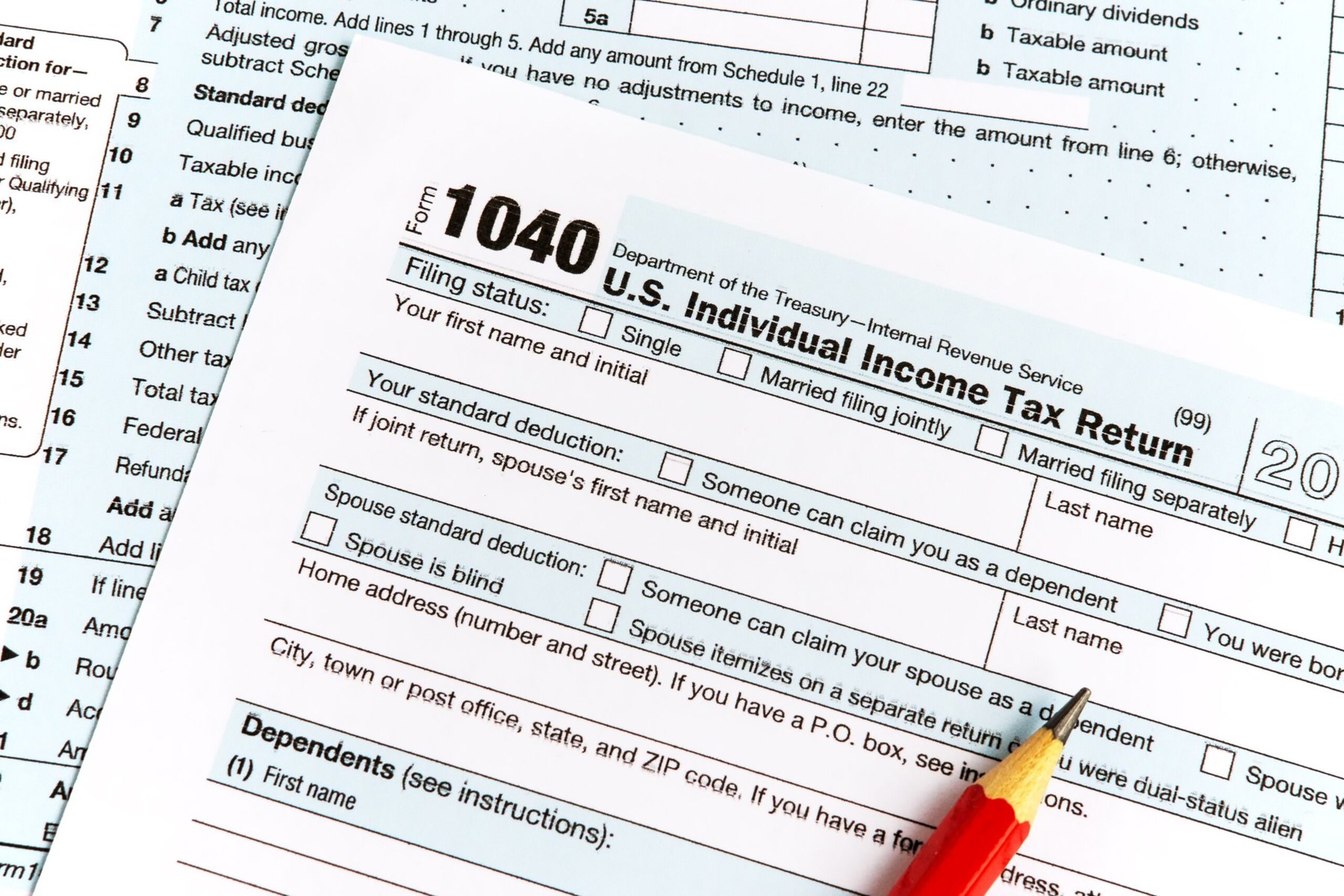
Income Tax Planning
Master techniques for minimizing tax liabilities and maximizing deductions to enhance your financial efficiency.

Retirement Planning
Develop a personalized strategy to secure your financial future and ensure a comfortable and sustainable retirement.

Estate Planning
Create a plan to manage and distribute your assets, ensuring your legacy is preserved and your wishes are honored.

Capstone Course
Integrate and apply your knowledge from all previous courses to solve financial planning scenarios and deliver client solutions.
Fast Track Program
Accelerate your journey through financial planning with our fast-track program, designed to cover key concepts and practical skills in a condensed time frame. Ideal for those seeking to gain expertise quickly without compromising on depth and quality.
Why Choose Florida State University?
CFP Certification
The curriculum meets the educational requirements of the CFP Board to qualify to sit for the CFP® Certification Examination.
Expert Instructors
Expertise across fields with recognized credentials including CFP®, CPA, and J.D.
Established Curriculum
Comprehensive curriculum designed by FSU provides an in-depth understanding of the financial planning process using real-world examples and case studies.
Online Course
Our program is fully online and is text-based (there are no video or audio lectures). Please see FAQs for more information on course format.
Traditional or Fast Track
Whether preferring our Traditional Track or a faster pace with our Executive Fast-Track, students have the choice to learn at their own pace and the flexibility to jump on and off these tracks as they see fit.
Ready to Get Started?
Let us guide you to achieving your career goals and beyond!